


Content
The duration of alcohol tapering depends on how much alcohol a person typically drinks. If someone consumes larger quantities of alcohol, they will generally need a longer tapering period compared to someone who drinks less. After successfully completing detox, there are additional treatment options at Serenity Lane.
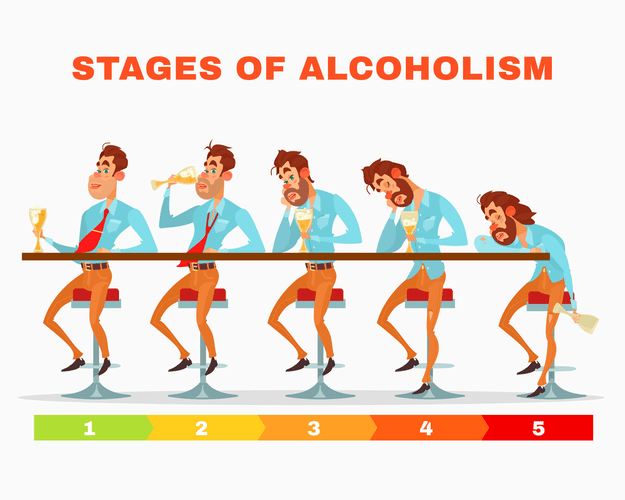
This can be a very dangerous thing to do if not done by following medical advice. For heavy drinkers, they will need to follow a specific medical detox which is also monitored to ensure this is done safely. It can be tempting to just “rip off the Band-Aid” when getting sober, but tapering off alcohol is often much safer—and much less stressful. Rather than quitting drinking abruptly (or “cold turkey”), many professionals recommend gradually reducing your drinking (or tapering) over time. This can give your body the chance to adjust, helping you avoid the worst of withdrawal symptoms.
Free Support Group: Beginning a sobriety or moderation journey
In that role, James audited a national trade association with over 1,300 member companies that sell health insurance coverage to more than 200 million Americans. He also conducted official financial examinations of various non-profit organizations and for-profit corporations. This experience allowed him to learn the inner workings of almost any aspect of a company. It also taught him the value of building meaningful relationships with clients and having a strong ethical framework. Over the past several months, Erin has worked with our team to create a strong clinical program for our residential location in Buckeystown.
- There are two types of triggers that can set off a person’s urge to drink.
- Quitting binge drinking may require different strategies than either tapering or cold turkey.
- The right schedule depends on personal factors such as how often you drink alcohol, the types of alcohol you drink, and your health history.
- Obviously quitting cold turkey from a 12-beer-a-day habit is going to be more stressful than tapering off slowly.
- In essence, tapering is a detoxification process that is not being administered or observed by a doctor or medical staff.
Withdrawal symptoms are generally uncomfortable to deal with, but they can be fatal. To avoid or reduce the impact of the withdrawal symptoms, people struggling with alcohol may choose to progressively taper off alcohol rather than quit abruptly. Our licensed, accredited treatment centers offer a full continuum of care, including medical detox, inpatient care, partial hospitalization programming, outpatient treatment and aftercare.
Tapering/Weaning Off Alcohol: What You Need To Know
Ongoing heavy drinking basically trains the brain, through its reward system, to want and need alcohol. The initial dopamine rush you experience sends a message to the brain that this is pleasurable. While this is a valiant effort and it can work for some people, an abrupt cessation of alcohol can be dangerous for those who have a long history of alcohol abuse and addiction.

Let them know your plan, your progress, and how withdrawals are going for you. Alcohol metabolizes more quickly in individuals with a high tolerance to alcohol. On the other hand, it will take longer to metabolize in someone https://stylevanity.com/2023/07/top-5-questions-to-ask-yourself-when-choosing-sober-house.html with a lower tolerance. This is offered to patients with moderate to severe Alcohol Use Disorder, having the goal of achieving abstinence. Note that Disulfiram it is not a cure to alcoholism, and a full therapy must be used.
Can Tapering Down Alcohol Use Reduce Withdrawal Symptoms?
That said, some independent groups have stepped in, publishing sample tapering schedules to guide people who are trying to cut back on drinking. It can take different people varying amounts of time to taper off alcohol. How long it takes depends on factors like how much you typically drink.
For the majority of people, this will need to be gradually increased over a period of time. It’s important to note that it won’t work for everyone, and is best done under medical attention or with the proper supervision so that it can be completed successfully. This only escalates the alterations in the brain’s pathways that are then wired to need the substance. The result is physical dependence and/or psychological addiction to alcohol.
Why Does Alcohol Withdrawal Happen?
However, tapering off may be the way to go if you drink heavily or have more than six drinks per week. Alcohol addiction can be difficult and sometimes dangerous to handle on your own. If you or a loved one is struggling with alcohol addiction, contact us to learn more and get started with alcohol addiction treatment. Quitting alcohol can be extremely hard, especially without medical support. Further, mental health disorders like anxiety and depression are extremely common in those who struggle with drinking, and these disorders can make it even harder to stay sober.
- About 10 percent of people experience more severe symptoms, such as fever, fast breathing, and heavy sweating.
- While each person’s Ativan dosage during alcohol detox will vary, Ativan dosage regimens generally fall into three categories.
- While tapering off alcohol means you can still drink to some extent, it’s still important that you eliminate as much temptation as you can.
- It can be very hard to quit drinking, and isn’t something that should be done alone.
- Contact us today to speak with a representative and begin on the road to lasting addiction recovery.
Contact us today to learn more about alcohol addiction treatment programs that can work well for you. In these cases, talk to your doctor before trying to cut back on your drinking. Sadly, the threat of severe withdrawal symptoms prevents millions of people from stopping their alcohol abuse. Individuals experience alcohol when they stop giving their bodies alcohol. Depending on the severity of alcohol dependence, symptoms may range from mild to moderate or severe.