



The migration of bacteria from the gut into the bloodstream also can lead to systemic infections, sepsis, and multiple organ failure. These data are also consistent with research that suggests that NK activation is beneficial in the short run, by increasing host defense against fibrosis and hepatic steatosis through selective cytotoxic activity. However, it is clear that chronic NK-cell activation contributes to what is alcoholism liver damage (81).

Interplay Between Alcohol-Induced Stress & Immunity
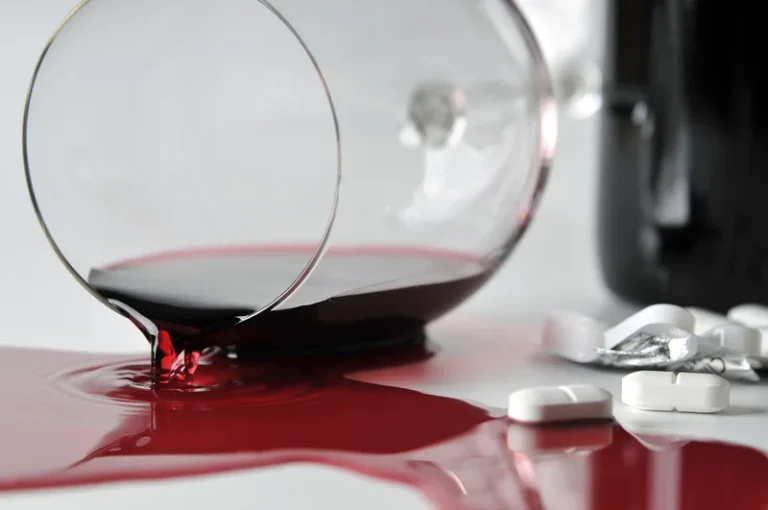
Your body breaks alcohol down into a chemical called acetaldehyde, which damages your DNA. Damaged DNA can cause a cell to grow out of control, which results in cancerous tumors. Your gut microbiome is a hotbed of bacteria that help keep your digestive system happy and healthy. The trillions of microbes in your colon and large and small intestines are critical to proper digestion. With continued alcohol use, steatotic liver disease can lead to liver fibrosis.

Cardiovascular Benefits
- Vitamin D deficiency results in reduced differentiation, phagocytosis and oxidative burst, by monocytes as well as defective bactericidal activity by keratinocytes (Fabri, Stenger et al. 2011, Djukic, Onken et al. 2014).
- For example, nondrinkers may have had greater mortality simply because they were more likely to be poor or to have recently quit drinking for health reasons.
- That’s why it’s important to seek help quickly before the damage becomes permanent.
- ILC2s are also classically defined by the expression of CRTH2, KLRG1, ST2, and CD25 (16, 17).
Research on the health effects of alcohol has some significant holes, which contributes to broader possibilities for interpreting the data. The new CNN poll finds a broad 74% majority of the US public would favor new alcoholic beverage labels warning about the risk of cancer like Murthy suggests. Democrats, women and people of color are especially likely to support a revision of the warning label, but 69% or more adults of all age, gender, partisan and racial groups said they would be in favor. In addition to those described above, a variety of other illnesses have been linked to the effects of alcohol on the immune system.
- “By damaging those cells in your intestines, it can make it easier for pathogens to cross into your bloodstream,” says Nate Favini, MD, medical lead at Forward, a preventive primary care practice.
- Although the innate immune response is immediate, it is not specific to any given pathogen.
- If alcohol continues to accumulate in your system, it can destroy cells and, eventually, damage your organs.
- Further, there are differences in the effects of acute and chronic alcohol consumption and there are likely subtle differences in the effects of alcohol across specific iNKT subsets.
- If a new drug was being studied to reduce heart disease and the clinical trials revealed that it also raised the risk of developing cancer, that drug would never be approved, he said.
- Reducing alcohol intake, or abstaining altogether, is crucial to mitigate inflammation and lower the risk of inflammation-related diseases.
- The trillions of microbes in your colon and large and small intestines are critical to proper digestion.
What Does Alcohol Do to Your Body? 9 Ways Alcohol Affects Your Health
The interplay between iNKT cells and NK cells appears central to the pathogenesis of hepatic steatosis and other aspects of alcoholic liver disease. Mature NK cells appear to oppose hepatic steatosis, but also facilitate tissue injury through cytotoxic activity (1). Acutely, NK activity is thought to be beneficial; NK cells release IFN-γ which downregulates a variety of lipogenic and fatty uptake genes (2). NK cells can also promote beneficial remodeling and regeneration of the liver.

The Surgeon General Calls for New Warning Labels on Alcohol—Here’s the Truth About How It Impacts Your Health
The problem is that your HPA axis views alcohol as a stressful event and https://ecosoberhouse.com/ elevates your stress hormone levels when you drink (hi, cortisol). Chronic exposure to alcohol can lead to HPA axis dysfunction and blunt your body’s response to other stressors.1 That means your body has a harder time keeping healthy. Response to different stressors is mediated by several neural circuits that converge on the paraventricular nucleus (PVN) of the hypothalamus (Myers, McKlveen et al. 2014).
Serotonin is the so-called “feel-good” neurotransmitter responsible for feelings of happiness and motivation. Alcohol impairs the immune system by suppressing cell-mediated immunity, weakening the body’s ability does alcohol suppress immune system to defend against infections in the respiratory system. This immunosuppression allows viruses and bacteria to more easily invade the lungs, leading to respiratory infections. Inflammation is the source of many serious conditions, but it’s actually your immune system’s way of healing your body after an injury or fighting an infection. When you get a cut or the flu, your body calls in an inflammatory team to handle the situation. The area gets hot, painful, and swollen as your defenses attack the problem.
- In addition, alcohol remains one of the most avoidable causes of death in the country, right behind tobacco, a bad diet, and a sedentary lifestyle.
- But there’s plenty of research to back up the notion that alcohol does lead to weight gain in general.
- A number of experts have recommended revision of the guidelines toward lower amounts, as more studies have linked even moderate alcohol consumption to health risks.