Famous casino heists that changed the game forever

Famous casino heists that changed the game forever

The Great Brinks Heist

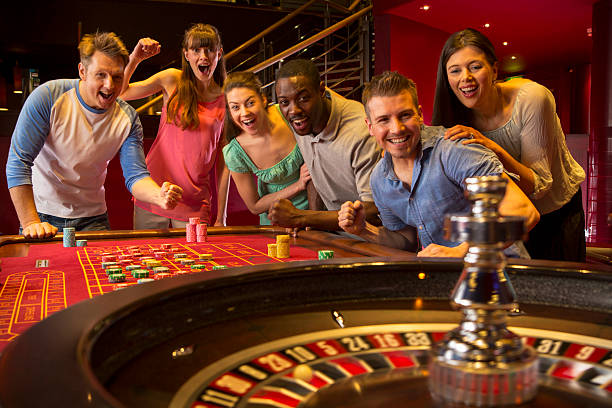
In 2001, the Great Brinks Heist became a notorious example of how meticulous planning can lead to monumental gains in the world of casino theft. A group of criminals carefully plotted their moves, blending in with the casino’s staff to execute their plan flawlessly. They gained access to secure areas, where they ultimately stole millions of dollars in cash and chips, leaving the casino in shock. For anyone new to this subject, understanding how this heist influenced security measures in casinos, including facilities that offer online casino gaming, is essential.
This heist was not just about the money; it also highlighted vulnerabilities in casino security systems. As a result, many casinos revamped their security protocols, introducing advanced surveillance technologies to prevent similar incidents from happening in the future.

The Bellagio Heist

Another infamous heist is the Bellagio Heist, which took place in 2010 when a masked gunman entered the Las Vegas casino and demanded money from the cashiers. This robbery was particularly daring because it happened in one of the busiest casinos on the Strip. The robber made off with around $1.5 million, and the event captivated the media and public alike.

The Bellagio Heist was a turning point in casino security. The brazen nature of the robbery forced many establishments to reconsider their security measures. Increased patrols and state-of-the-art surveillance systems became standard in casinos, marking a shift towards more proactive security strategies.

The Crown Casino Heist

In 2013, the Crown Casino in Melbourne became the target of a sophisticated heist that involved high-stakes poker and deception. A group of skilled players managed to manipulate the game, effectively cheating the casino out of a significant amount of money. Their technique not only showcased their skills but also raised questions about the effectiveness of the casino’s monitoring systems.

The aftermath of this heist saw casinos worldwide adopting tighter regulations and improving monitoring practices at gaming tables. This heist emphasized the need for vigilance in the gambling industry, leading to new policies aimed at preventing cheating and ensuring fair play.

The Great Casino Robbery

The Great Casino Robbery in 1993 remains one of the most talked-about heists in gambling history. A group of armed robbers stormed the Ritz Club in London, demanding money from staff and patrons alike. The operation was swift and daring, leading to a substantial financial loss for the casino.

This incident not only shocked the gambling world but also forced casinos to rethink their approach to security. Many establishments started hiring off-duty police officers for additional security, and the implementation of more sophisticated alarm systems became commonplace. The robbery changed the way casinos viewed safety and security, emphasizing the importance of being prepared for any eventuality.

Conclusion on Casino Heists

The world of casino heists is as thrilling as it is dangerous, with each incident revealing new insights into security and strategy. These infamous events have led to significant changes in casino operations, ensuring that lessons learned from past mistakes are not forgotten. From advanced surveillance to improved employee training, the impact of these heists continues to shape how casinos operate today.

For those interested in understanding the legal implications and the evolution of security in casinos, our website serves as a valuable resource. We strive to provide comprehensive information about judicial matters related to the gambling industry, ensuring that users remain informed while navigating the complex world of casinos.

Spelade jag bort min framtid En personlig berättelse om hasardspel

Spelade jag bort min framtid En personlig berättelse om hasardspel

Min tidiga fascination för hasardspel

Som ung kände jag en spännande dragning till hasardspel. Det var något med ljuset och ljudet från spelmaskiner som fångade min uppmärksamhet. Jag minns första gången jag gick in i ett casino. Den elektriska atmosfären, adrenalinet som pumpade när jag satsade mina pengar, fick mig att känna mig levande. Jag insåg att för att kunna få bättre insikter i ämnet, kan du klicka här för att läsa mer om ansvarigt spelande. Men bakom denna glädje lurade ett mörkt, osynligt monster – beroendet.

Det började som en oskyldig hobby. Jag och mina vänner samlades för att spela poker, och det kändes som en social aktivitet. Men när spelet blev mer allvarligt och insatserna högre, började jag inse att jag kanske inte bara spelade för skojs skull. Det blev en jakt på nästa vinst, en känsla av att vinna tillbaka förlorade pengar.

Den växande skulden

Med tiden växte mina förluster. Det var inte längre bara småsummor; jag började låna pengar för att kunna fortsätta spela. Jag motiverade mig själv med tanken att “den nästa handen kommer att vara vinnande”, men varje gång jag förlorade, kände jag mig mer och mer fast i ett oändligt ekorrhjul. Jag började förlora kontakten med mina vänner och familj, vilket ledde till en känsla av isolering.

Skulden blev ohanterlig, och med den kom skam och skuld. Jag dolde mitt spelande för alla, och den ångest som följde var konstant. Jag kunde inte längre njuta av de små sakerna i livet, som att umgås med mina nära och kära. Jag hade fastnat i en spiral som kändes omöjlig att ta sig ur.

En vändpunkt

Det var en kväll när jag förlorade allt – mina besparingar, lånade pengar och känslan av hopp. Jag satt ensam i mitt rum, och för första gången insåg jag att jag behövde hjälp. Denna insikt blev min vändpunkt. Jag bestämde mig för att söka hjälp och började gå på stödgrupper för spelberoende.

I dessa grupper träffade jag andra som kämpade med samma problem. Genom att dela våra berättelser kunde vi hjälpa varandra att se på vår situation med nya ögon. Det var inte en enkel väg, men jag började förstå vikten av att ta ansvar för mina handlingar och att återuppbygga mitt liv steg för steg.

Att återuppbygga mitt liv

Återhämtningen från spelberoende är en lång process. Jag fick lära mig att sätta gränser och att det är okej att be om hjälp. Genom terapi och stöd från vänner och familj lyckades jag återfå kontrollen över mitt liv. Jag började sätta upp nya mål och fokusera på andra intressen och hobbyer som hade fått stå åt sidan under min spelperiod.

Det viktigaste jag lärde mig var att livet kan vara njutbart utan spelande. Jag började uppskatta de små stunderna – att gå ut på promenader, läsa böcker och umgås med människor som betydde något för mig. Genom dessa förändringar återfick jag hopp om framtiden och började se en ljusare väg framåt.

Vår webbplats och dess syfte

Vår webbplats är en plattform som syftar till att informera och stödja dem som kämpar med spelberoende. Vi erbjuder resurser och artiklar som kan hjälpa individer att förstå riskerna med hasardspel och vikten av ansvarsfullt spelande. Genom att dela berättelser och erfarenheter vill vi skapa en gemenskap där människor kan känna sig trygga och stöttade.

Vi tror på att kunskap och medvetenhet är nyckeln till att förebygga spelproblem. Genom att erbjuda en plats för att diskutera och dela erfarenheter hoppas vi kunna göra skillnad i människors liv. Besök oss gärna för att läsa mer och få stöd i din egen resa.

Future trends shaping the gambling landscape

Future trends shaping the gambling landscape

Rise of Online Gambling

The online gambling sector has experienced exponential growth in recent years, a trend that shows no signs of slowing down. As technology advances, players are increasingly drawn to the convenience and accessibility of online platforms. This shift from traditional casinos to online experiences allows gamblers to enjoy a wide variety of games from the comfort of their homes, significantly enhancing user engagement. Additionally, many are exploring opportunities for online casino real money options, which further fuels this transformation.

Moreover, the COVID-19 pandemic accelerated this trend, as physical casinos faced temporary closures, pushing many to seek digital alternatives. With smartphone usage on the rise, mobile gambling has become a staple of the industry, further contributing to the shift towards online gaming. Companies are now investing in mobile-friendly interfaces and apps to cater to this growing audience, solidifying online gambling’s presence in the market.

Integration of Virtual and Augmented Reality

Virtual and augmented reality technologies are set to transform the gambling landscape, offering immersive experiences that blend the physical and digital worlds. These technologies allow players to interact with games in a more engaging manner, creating a sense of presence that traditional online platforms cannot match. For instance, players can virtually walk through a casino, interact with dealers, and even socialize with other players.

As these technologies continue to evolve, they will likely attract a broader audience, including younger players who seek innovative gaming experiences. This integration not only enhances user experience but also opens up new avenues for game developers to explore, ultimately reshaping the gambling landscape in unprecedented ways.

Emphasis on Responsible Gambling

As the gambling industry expands, so does the need for responsible gambling initiatives. Operators are increasingly focusing on promoting safe gambling practices to protect their customers. This trend includes implementing features like deposit limits, time-outs, and self-exclusion options, enabling players to manage their gambling habits effectively.

Additionally, regulatory bodies are becoming more stringent in their oversight of gambling activities, pushing operators to adopt responsible practices. By prioritizing user safety, the gambling industry is not only enhancing its reputation but also fostering long-term customer loyalty. This emphasis on responsibility reflects a shift towards a more sustainable gambling environment.

Use of Cryptocurrency and Blockchain Technology

The emergence of cryptocurrency and blockchain technology is revolutionizing online gambling by providing players with more secure and anonymous transaction options. Cryptocurrencies like Bitcoin and Ethereum are becoming increasingly popular, as they offer lower transaction fees and faster processing times compared to traditional banking methods.

Moreover, blockchain technology enhances transparency in gambling transactions, ensuring fair play and building trust between players and operators. This increased security appeals to a tech-savvy audience, further driving the growth of online gambling platforms that accept digital currencies. As this trend continues to gain traction, we can expect more operators to integrate these technologies into their systems.

Exploring Online Security and Performance

As the digital gambling landscape evolves, the need for robust online security measures becomes crucial. With the increase in cyber threats, players must be aware of potential risks and understand how to protect themselves. Operators are investing in advanced security technologies to safeguard personal and financial information, ensuring a secure gambling experience.

This website serves as an essential resource for users navigating online security and performance issues related to gambling. By providing insights and solutions for access restrictions and security concerns, it encourages players to enhance their online experience while maintaining their safety. Emphasizing user awareness and direct communication with operators, this platform aims to empower users in a rapidly changing gambling landscape.

The psychology behind the thrill Understanding the mental effects of gambling

The psychology behind the thrill Understanding the mental effects of gambling

The allure of gambling: A psychological perspective

The excitement of gambling often stems from a unique blend of anticipation and risk. Psychologically, this creates a thrill that captivates many individuals. The brain releases dopamine, a neurotransmitter linked to pleasure, during moments of potential reward, whether it be winning a game or hitting a jackpot. This chemical reaction can lead to a heightened sense of excitement, making gambling an alluring activity for those seeking a rush, similar to engaging with crypto gambling sites.

Moreover, the unpredictability of outcomes in gambling plays a crucial role in maintaining engagement. The element of chance can generate a rollercoaster of emotions, which some individuals find addictive. This unpredictable nature keeps players returning for more, driven by the hope of experiencing that euphoric high once again, often overlooking the risks involved.

The impact of cognitive biases in gambling

Cognitive biases significantly shape how individuals perceive gambling outcomes. For instance, the illusion of control can lead gamblers to believe they can influence or predict the results of games based on their choices. This belief may create an inflated sense of confidence, prompting further gambling despite evidence to the contrary.

Additionally, the gambler’s fallacy — the misconception that past events affect the probability of future outcomes — can be detrimental. Gamblers might assume that after several losses, a win is due, which can lead to a cycle of increased betting. These cognitive distortions illustrate the psychological traps that can ensnare individuals, making it essential to understand the mental processes at play.

The social aspects of gambling

Gambling is often a social activity, enhancing its appeal. Engaging in betting with friends or participating in community events can create a sense of belonging and shared excitement. This social interaction can amplify the thrill, as individuals feed off each other’s enthusiasm and emotions, making the experience more enjoyable. However, the risks of gambling should be balanced with appropriate financial management strategies, ensuring it doesn’t escalate into addiction.

However, this social aspect can also lead to risky behavior. Peer pressure might encourage individuals to gamble more than they intended, leading to financial strain or addiction. Recognizing these dynamics can help individuals approach gambling with a more mindful attitude, considering both personal and social influences on their behavior.

Strategies for responsible gambling

To navigate the psychological complexities of gambling, individuals can adopt financial management strategies that promote responsible gambling. Setting strict budgets and time limits can help maintain control, ensuring that gambling remains a form of entertainment rather than a source of distress.

Additionally, being aware of one’s emotional state while gambling can serve as a protective measure. Individuals who understand their motivations and triggers can make informed decisions, reducing the risk of falling into harmful patterns. Educating oneself about the odds and potential consequences can also foster a healthier relationship with gambling.

Join the conversation on mental wellness

At msfdn.org, we believe in fostering discussions about mental health and well-being, including the intricacies of gambling behavior. Our platform provides insights and resources aimed at enhancing your understanding of these vital topics. Connecting with others who share similar interests can lead to a deeper comprehension of the psychological factors influencing our choices.

Whether you’re looking for support or wish to contribute your own experiences, msfdn.org is dedicated to empowering individuals through knowledge. Join us as we explore the fascinating interplay between psychology and gambling, creating a space for meaningful engagement and shared learning.

The allure of chance understanding the psychology behind gambling behavior

The allure of chance understanding the psychology behind gambling behavior

The Thrill of Uncertainty

The allure of gambling often stems from the thrill of uncertainty. People are inherently drawn to risk, and gambling provides a unique environment where this risk is amplified. The anticipation of winning, combined with the unpredictability of outcomes, creates an exhilarating experience. Engaging in a slots game real money can trigger the release of dopamine in the brain, reinforcing the behavior and making players more likely to engage repeatedly.

Moreover, the unpredictability of gambling outcomes activates a psychological mechanism known as variable reinforcement. This concept suggests that rewards are more compelling when they are inconsistent, leading individuals to continue playing in hopes of an eventual win. This cycle creates a powerful attraction to games of chance that is difficult to resist.

Various psychological factors influence gambling behavior. One significant factor is the illusion of control. Many gamblers believe they can influence outcomes through their actions or choices, such as selecting specific numbers or strategies. This false sense of control can enhance their enjoyment and keep them engaged, even when the odds are stacked against them.

Additionally, cognitive biases play a crucial role in gambling behavior. For example, the gambler’s fallacy leads individuals to believe that past events influence future results. This might cause someone to continue betting on a losing streak, thinking that a win is “due.” These psychological triggers create a complex landscape where emotions and beliefs intertwine, making it challenging for individuals to make rational decisions.

Gambling is often a social activity, which adds another layer to its psychological allure. Many people enjoy the communal experience of placing bets with friends or family, sharing the excitement and tension of the game. This social interaction can enhance the thrill of gambling, making it feel more rewarding.

Furthermore, social reinforcement can encourage individuals to gamble more. When surrounded by others who are enthusiastic about a game or event, the pressure to join in can be significant. This environment fosters a shared experience that can heighten emotions, leading to increased gambling activity and, in some cases, reckless behavior.

While gambling can be an exciting pastime, it also carries significant risks. The psychological mechanisms that make gambling alluring can also lead to addiction. Individuals may find themselves unable to stop gambling even when they experience negative consequences, such as financial loss or damaged relationships. This addiction can stem from a combination of psychological factors and environmental influences.

Awareness of these dangers is essential for gamblers and their loved ones. Understanding the psychological underpinnings of gambling behavior can help individuals recognize when their engagement with gambling shifts from entertainment to addiction. Support systems and professional help are crucial in addressing these issues and promoting healthier behaviors.

This website serves as a valuable resource for individuals looking to understand the complexities of gambling behavior. By exploring the psychological aspects of chance and risk, users can gain insights into their motivations and experiences. The site aims to provide a comprehensive understanding of gambling, emphasizing the importance of awareness and informed decision-making.

In a landscape where gambling is prevalent, knowledge is power. This website seeks to empower users with information, enabling them to navigate the world of chance responsibly. Whether you are a casual gambler or someone seeking help, this site is dedicated to fostering a deeper understanding of the psychological elements at play in gambling behavior.

Game development insights Unveiling the secrets behind casino success

Game development insights Unveiling the secrets behind casino success

The Evolution of Casino Game Development

The landscape of casino game development has transformed dramatically over the years. From the early days of traditional slot machines and simple card games to the immersive online experiences we see today, technological advancements have played a pivotal role. Developers now utilize cutting-edge graphics, engaging soundtracks, and complex algorithms to enhance player engagement and retention. This evolution has led many to explore bitcoin gambling sites as an alternative to traditional formats.

Moreover, the rise of mobile gaming has shifted how players access casino games. Developers are now focusing on creating games optimized for mobile platforms, ensuring that users can enjoy their favorite games anytime, anywhere. This transition not only caters to a broader audience but also increases the potential for revenue generation.

The Role of Gamification in Casino Success

Gamification has emerged as a significant trend in the casino industry. By integrating game-like elements into gambling, such as rewards, challenges, and leaderboards, developers keep players engaged for longer periods. This approach not only increases the excitement of playing but also fosters a sense of community among players.

Through incentives like loyalty programs and achievement badges, casinos can create a more interactive environment, making the gaming experience more rewarding. By leveraging data analytics, developers can also tailor these gamified elements to cater to individual player preferences, further enhancing user satisfaction and loyalty.

Comparing Online and Land-Based Casinos

The battle between online and land-based casinos is ongoing, with each offering unique advantages. Online casinos provide convenience and accessibility, allowing players to indulge in their favorite games from the comfort of their homes. They often feature a wider selection of games and generous bonuses, attracting a diverse range of players.

On the other hand, land-based casinos offer a tactile experience that online platforms struggle to replicate. The thrill of being physically present, interacting with dealers, and enjoying the vibrant atmosphere is something many players cherish. Understanding these differences is crucial for developers aiming to cater to both markets effectively.

Innovations Shaping Future Casino Games

The future of casino gaming is set to be shaped by innovations such as virtual reality and artificial intelligence. Virtual reality can offer players an immersive experience that makes them feel as if they are in a real casino, enhancing the thrill of gaming. Developers are already experimenting with VR technology, which could redefine how games are played and experienced.

Artificial intelligence is another game-changer, enabling personalized gaming experiences. AI algorithms can analyze player behavior, suggesting games that suit individual preferences and improving the overall user experience. This personalization can significantly boost player retention and satisfaction, making it a key area of focus for developers.

Explore the Best Online Casino Insights

For those looking to navigate the exciting world of online casinos, our comprehensive platform offers expert insights and reviews. We focus on the best Bitcoin and crypto casinos, emphasizing fast payouts, generous bonuses, and a diverse game selection. Our goal is to guide players in making informed choices while ensuring safety and responsible gambling practices.

Join us on an exhilarating online gaming journey that combines convenience with the thrill of the casino experience. Our reviews not only highlight the top platforms but also provide valuable tips and strategies to enhance your gaming adventure. Let us help you discover the best in online gaming today!

Mastering the basics of casino games a beginner’s guide

Mastering the basics of casino games a beginner’s guide

Understanding Casino Games

Casino games have captivated players for centuries, blending excitement, strategy, and chance. At their core, these games are designed to provide entertainment and the thrill of potentially winning money. Each game comes with its own set of rules and strategies, making it crucial for beginners to grasp the basics before diving in. Understanding the different types of games available can enhance your gaming experience, and many players are now exploring options like bitcoin casino to widen their choices.

From table games like blackjack and poker to electronic slots and roulette, the variety is vast. Each game offers unique features and betting options, allowing players to choose according to their preferences and comfort levels. Familiarizing yourself with these fundamentals is the first step toward becoming a savvy casino player.

Popular Table Games Explained

Table games are a staple of any casino, and among the most popular are blackjack, poker, and roulette. Blackjack is often favored for its blend of strategy and luck, where players aim to get a hand value as close to 21 as possible without exceeding it. Understanding basic strategies can significantly influence the outcome of your game.

On the other hand, poker involves skillful play, bluffing, and reading opponents, making it a favorite among those who enjoy a psychological challenge. Roulette, with its spinning wheel and ball, offers an exhilarating experience as players place bets on where the ball will land. Each game has its own nuances that are crucial for beginners to learn.

Exploring Slot Machines

Slot machines are the most popular and accessible games in casinos, attracting players with their flashing lights and engaging themes. They operate on a simple premise: players spin the reels and hope for a winning combination. Understanding paylines, symbols, and bonus features can enhance your chances of winning.

Modern slots often include features such as free spins and jackpots, which can add to the excitement. Beginners should start with lower-stakes machines to familiarize themselves with the gameplay without risking too much. Knowing how to read the machine’s information can also provide insights into potential payouts.

Tips for Responsible Gambling

While casino games can be entertaining, it’s vital to practice responsible gambling. Setting a budget and sticking to it is crucial for maintaining control and ensuring a fun experience. Many casinos offer tools and resources to help players manage their spending effectively.

Additionally, it’s important to recognize when to walk away. Gambling should be viewed as a form of entertainment, not a way to make money. Understanding your limits and taking breaks can help prevent potential negative consequences of gambling. Always prioritize enjoyment over profit.

About Syntouch Inc.

Syntouch Inc. is dedicated to enhancing user experiences through innovative technology solutions. Although there may be temporary access issues to the website, it serves as a valuable platform for users to explore various products and services. The team is committed to improving operational efficiency and ensuring that users can seamlessly engage with the offerings once access is restored.

For those interested in the intersection of technology and user experience, Syntouch Inc. provides resources and insights that can greatly enhance one’s understanding of these dynamic fields. Keep an eye out for updates as the site undergoes enhancements for a better user experience.

Understanding the psychology behind gambling why do we take risks

Understanding the psychology behind gambling why do we take risks

The Thrill of Uncertainty

The psychology of gambling is deeply rooted in the thrill that uncertainty brings. This sense of unpredictability stimulates the brain’s reward system, creating a rush of excitement that many individuals find irresistible. The anticipation of a potential win can trigger the release of dopamine, a neurotransmitter associated with pleasure and satisfaction. For example, if you’re exploring the best online pokies australia, this biochemical reaction reinforces the behavior, making players more likely to return for another round, seeking that elusive high.

Moreover, the allure of taking risks in gambling often stems from a desire to escape the mundane aspects of daily life. For many, the casino environment provides a vibrant and exhilarating atmosphere that contrasts sharply with routine. This escape can be a powerful motivator, leading individuals to take risks they might avoid in other contexts. The thrill derived from uncertainty can become a way to cope with stress and anxiety.

Social Influences and Peer Pressure

The influence of social dynamics on gambling behavior cannot be overlooked. Many individuals are drawn to gambling through social interactions and peer pressure. Friends and family can create a collective excitement around gaming, making it a shared experience. This social environment can normalize risk-taking, encouraging individuals to gamble more than they might otherwise choose to.

Furthermore, social media has transformed the way people perceive gambling. Online platforms showcase glamorous lifestyles associated with high-stakes gambling, often glamorizing the idea of risk-taking. This representation can lead individuals to feel that they too can achieve similar success, pushing them to engage in gambling activities without fully considering the potential consequences.

The Illusion of Control

A critical aspect of gambling psychology is the illusion of control. Many gamblers believe they can influence the outcome of games, particularly in skill-based gambling like poker. This belief can lead players to take unnecessary risks, as they feel empowered by their perceived abilities. This cognitive bias can cloud judgment, causing individuals to overlook the randomness inherent in most games of chance.

Additionally, this illusion can foster a sense of commitment to gambling activities. Gamblers might justify their losses by believing that a winning streak is just around the corner. This mindset can perpetuate risky behaviors, leading to further engagement in gambling despite the odds being against them. Understanding this psychological phenomenon is crucial for recognizing why some individuals continue to gamble despite negative outcomes.

The Role of Emotions

Emotions play a significant role in the decision to gamble. Many individuals gamble to elevate their mood or to cope with feelings of sadness or anxiety. The temporary highs associated with winning can be a powerful incentive, often overshadowing the potential for loss. This emotional connection can create a cycle where individuals continuously seek out gambling experiences to replicate those feelings of joy.

Moreover, losses can elicit strong emotional responses, leading to what’s known as “chasing losses.” In this scenario, individuals may gamble more in an attempt to recover what they’ve lost, often ignoring the financial risks involved. This emotional rollercoaster can make gambling a compelling yet dangerous activity, highlighting the importance of emotional regulation in gambling behaviors.

Exploring Online Gambling Resources

For those interested in the world of online gambling, understanding the psychological motivations behind risk-taking can be invaluable. Various platforms offer insights and expert reviews that help players navigate the vast options available, including popular casino destinations. By recognizing the psychological aspects of gambling, players can make more informed decisions regarding their gaming choices.

Moreover, these resources often emphasize responsible gambling practices, providing tools and strategies to mitigate risks. By fostering awareness of the psychological factors at play, individuals can engage in gambling more mindfully, balancing the thrill of risk with a consideration of the potential consequences. Understanding these dynamics can enrich the gaming experience while promoting safer habits.

The historical evolution of gambling A journey through time

The historical evolution of gambling A journey through time

The Origins of Gambling

The history of gambling traces back thousands of years, revealing its deep roots in various ancient cultures. The earliest records of gambling activities date back to around 2300 BC in China, where evidence of rudimentary games of chance has been found. Similarly, dice made from animal bones were discovered in archaeological sites across Mesopotamia, indicating that gambling was a popular pastime among early civilizations. These activities were often intertwined with rituals and social practices, highlighting their significance in daily life. Today, many still enjoy games related to luck, including aus online pokies, that reflect these ancient traditions.

As societies evolved, so did gambling. The Romans enjoyed betting on chariot races and gladiatorial contests, while the Greeks developed sophisticated gaming methods, including the use of dice and betting in various public games. The acceptance of gambling as a form of entertainment began to permeate different classes, illustrating its universal appeal despite cultural variations.

The Rise of Formalized Gambling

The 17th and 18th centuries marked a significant turning point in the evolution of gambling, particularly in Europe. During this time, casinos began to emerge as formal venues where individuals could engage in games of chance. The first official casino, the Casino di Venezia, opened its doors in Italy in 1638, paving the way for the establishment of similar establishments across Europe. These casinos offered structured games, attracting both the wealthy elite and common citizens.

With the rise of formal gambling establishments, regulations began to take shape as well. Governments recognized the potential for taxation and revenue generation from gambling activities. This duality of entertainment and regulation laid the foundation for modern gambling practices, where legality and oversight became critical components of the industry.

The Impact of Gambling on Society

The psychological effects of gambling have been a subject of extensive study, revealing both positive and negative outcomes. For many, gambling serves as a form of entertainment and social engagement, providing excitement and a sense of community. However, the dark side of gambling can lead to addiction and financial distress, affecting individuals and their families profoundly.

As gambling became more mainstream, societal perceptions shifted. While some viewed it as harmless fun, others began advocating for responsible gambling practices. This tension between enjoyment and potential harm highlighted the need for awareness and education regarding gambling behavior, as well as the psychological impacts it can have on individuals.

The Digital Transformation of Gambling

The advent of technology in the late 20th century revolutionized the gambling landscape, ushering in the era of online gambling. The introduction of the internet opened up new avenues for gambling, allowing players to engage in their favorite games from the comfort of their homes. Online casinos, poker rooms, and sports betting platforms proliferated, making gambling more accessible than ever.

This digital transformation has not only expanded the reach of gambling but has also intensified discussions about addiction and regulation. The ability to gamble 24/7 and the anonymity of online transactions have raised concerns about responsible gambling practices. As a result, many jurisdictions have begun implementing stricter regulations to protect consumers in the digital age.

Understanding Gambling Today

As we navigate the complexities of gambling in the modern world, it is crucial to understand its historical context. The evolution from ancient practices to contemporary digital platforms illustrates a significant transformation influenced by culture, technology, and societal attitudes. Today, gambling continues to be a significant aspect of entertainment worldwide, but it also comes with responsibilities and challenges.

In this ever-evolving landscape, resources such as Author Earnings provide essential insights into the intersection of gambling and the publishing industry. By analyzing trends and financial aspects, platforms like this empower individuals to make informed decisions, whether they are writers exploring themes in their work or gamblers looking for awareness in their choices. Understanding the historical evolution of gambling can lead to a more responsible and informed approach to this age-old practice.

De juridische regels voor online gokken in verschillende landen onderzoekt

De juridische regels voor online gokken in verschillende landen onderzoekt

Inleiding tot online gokken

Online gokken heeft de afgelopen jaren een enorme groei doorgemaakt. Steeds meer landen hebben hun wetgeving aangepast om deze opkomende industrie te reguleren, en dit biedt niet alleen een veilige speelomgeving voor spelers, maar genereert ook belastinginkomsten voor overheden. Veel mensen zijn benieuwd naar de impact van deze veranderingen en overwegen steeds vaker om te gokken zonder cruks, wat de toegankelijkheid van deze activiteiten vergroot. De juridische regels verschillen echter aanzienlijk per land, waardoor het belangrijk is om de specifieke wetgeving per regio te begrijpen.

De groei van online gokken heeft geleid tot de oprichting van tal van websites en platforms die verschillende spelletjes aanbieden. Dit heeft de toegankelijkheid vergroot, maar tegelijkertijd ook vragen opgeroepen over verantwoord gokken en de bescherming van consumenten. Elk land hanteert zijn eigen regels en vereisten, die van invloed zijn op hoe online gokken wordt aangeboden en gereguleerd.

Juridische status van online gokken in Europa

In Europa zijn de regels voor online gokken zeer uiteenlopend. Sommige landen, zoals het Verenigd Koninkrijk, hebben een goed ontwikkeld regelgevingskader dat spelers beschermt en aanbieders verplicht om vergunningen aan te vragen. Dit zorgt voor een transparante en veilige speelomgeving. Aan de andere kant hebben landen zoals Nederland in de afgelopen jaren hun wetgeving herzien om online gokken wettelijk te maken en te reguleren.

In landen als Duitsland zijn er ook initiatieven geweest om de online gokmarkt te reguleren. De regels zijn vaak complex en kunnen per deelstaat verschillen, wat het voor aanbieders moeilijk maakt om zich aan te passen. Dit laat zien hoe belangrijk het is voor spelers om zich bewust te zijn van de wetten in hun specifieke regio voordat ze deelnemen aan online gokken.

Online gokken in de Verenigde Staten

In de Verenigde Staten is de juridische status van online gokken een onderwerp van debat. Sinds de afschaffing van de PASPA-wet in 2018 hebben verschillende staten hun eigen wetgeving ingevoerd, wat betekent dat sommige staten online gokken legaliseren terwijl anderen dit verbieden. New Jersey en Pennsylvania zijn voorbeelden van staten waar online gokken legaal en goed gereguleerd is.

De variatie in regels tussen de staten kan verwarrend zijn voor spelers. Het is cruciaal dat gebruikers zich goed informeren over de wetten in hun eigen staat voordat ze gokken. Bovendien zijn er discussies gaande over de mogelijkheid om een nationale regelgeving te implementeren, wat de situatie in de toekomst zou kunnen vereenvoudigen.

Regels voor online gokken in Azië

Azië kent een diverse aanpak als het gaat om online gokken. In landen zoals China is online gokken vrijwel volledig verboden, terwijl andere landen, zoals de Filipijnen, een meer open beleid hebben. De Filipijnen hebben een gereguleerde online gokindustrie ontwikkeld die ook buitenlandse spelers aantrekt.

In landen als Japan worden er pogingen ondernomen om de wetgeving rondom gokken te moderniseren. Hoewel er een sterke culturele terughoudendheid is tegenover gokken, zijn er tekenen dat de overheid bereid is om gecontroleerde online gokmogelijkheden te overwegen. Dit toont aan hoe dynamisch en snel veranderend de juridische omgeving rond online gokken in Azië kan zijn.

Conclusie en meer informatie over gokken

De juridische regels voor online gokken zijn complex en verschillen per land en regio. Het is van groot belang dat spelers zich bewust zijn van de wetten die van toepassing zijn in hun land voordat ze aan online gokken beginnen. Dit helpt niet alleen om juridische problemen te vermijden, maar ook om te zorgen voor een veilige speelervaring.

Voor meer informatie en actuele updates over online gokken en de bijbehorende regelgeving kunt u onze website in de gaten houden. Wij bieden uitgebreide inzichten en analyses van de verschillende juridische kaders in de wereld van online gokken, zodat u goed geïnformeerd blijft.